


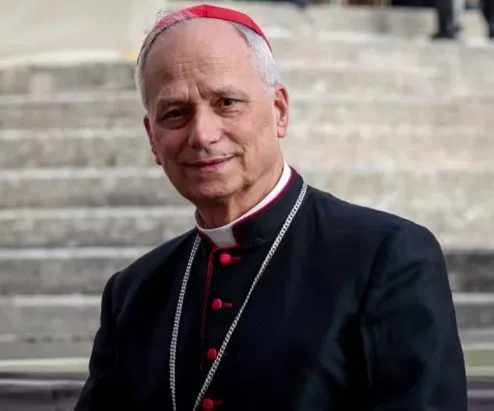
Pope Leo XIV has expressed deep concern over what he described as a disturbing global imbalance in which armed conflicts are prioritized over efforts to feed millions of hungry people worldwide. He warned that this reflects a serious moral and political failure within the international system.
Speaking on Monday at the headquarters of the United Nations World Food Programme (WFP) in Rome, the Pontiff said humanitarian aid and development efforts are often hindered by political interests, ideological divisions, and bureaucratic delays, even as weapons continue to flow easily into conflict zones.
“Conflicts are ‘fed’ more readily than people are nourished,” Pope Leo said, according to Vatican News. He added that this imbalance exposes “a fundamental failure in political and moral priorities.”
He commended the WFP for its life-saving work in providing food assistance during wars, natural disasters, and humanitarian crises, noting that its mission aligns closely with the Catholic Church’s commitment to human dignity and solidarity.
Pope Leo observed that global crises are no longer isolated events but long-term conditions marked by persistent conflicts, widespread food insecurity, economic instability, and climate-related risks. He warned that these overlapping challenges raise serious questions about the effectiveness of the current international order.
“What configuration of the global order is capable of producing, reproducing and, at times, normalising such conditions?” he asked.
The Pontiff argued that the world is not only facing humanitarian emergencies but also structural failures that continue to generate suffering. He expressed concern over what he described as a growing crisis in multilateral cooperation, where countries increasingly focus on national interests at the expense of global solidarity.
According to him, this has created a paradox in which high levels of global productivity exist alongside rising extreme poverty and vulnerability.
He also criticized what he called the “bureaucratisation of solidarity,” where aid efforts are slowed by administrative processes, while access to basic needs such as food, water, and healthcare is increasingly shaped by economic and geopolitical considerations.
“This dynamic creates a serious ethical challenge: the human person is no longer consistently placed at the centre of international action,” he said.
Pope Leo stressed that hunger is not only a humanitarian issue but also a driver of instability, conflict, and forced migration, making it a global security concern.
He described the WFP as a vital symbol of international solidarity, noting that its presence helps prevent crises from deteriorating into total collapse in regions where national systems have broken down.
Calling for renewed global cooperation, the Pope urged governments and international partners to increase funding for hunger relief, remove obstacles to aid delivery, and strengthen collaboration between international agencies, civil society, and faith-based organizations.
He also highlighted the Catholic Church’s ongoing humanitarian work through parishes, dioceses, and Caritas networks, especially in hard-to-reach areas.
“Food security is an essential component of global and integral security,” he said, while praising the WFP’s expansion into long-term initiatives such as school feeding programmes aimed at addressing the root causes of hunger.
The Pontiff warned that the credibility of international cooperation itself is at risk if human dignity and basic needs are not placed above political and strategic interests. He urged world leaders to simplify procedures and ensure that no one is excluded from global efforts to fight hunger.
He concluded by praying for divine blessing on global efforts to end hunger and ensure that all people receive “their daily bread and live in dignity.”
