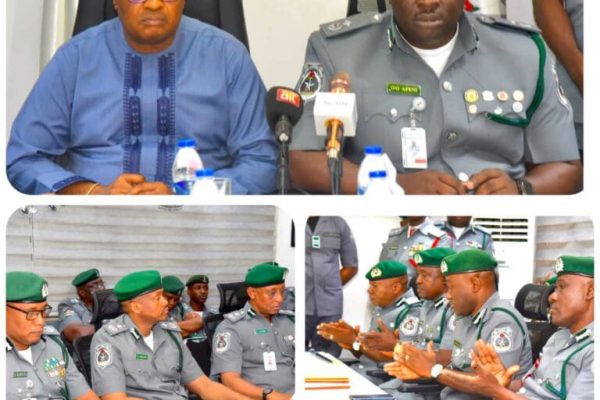
The Nigeria Police Force has arrested 1,643 suspects and rescued 1,066 kidnap victims since assumption of office of the Inspector General of Police IGP Olatunji Disu in February.
The Force says officers arrested 251 terrorists and suspected bandits, 343 murder suspects, 566 armed robbery suspects and 483 suspected cultists during that period.
It states also that officers recovered 947 firearms and more than 22,000 rounds of ammunition from criminal elements across the country.
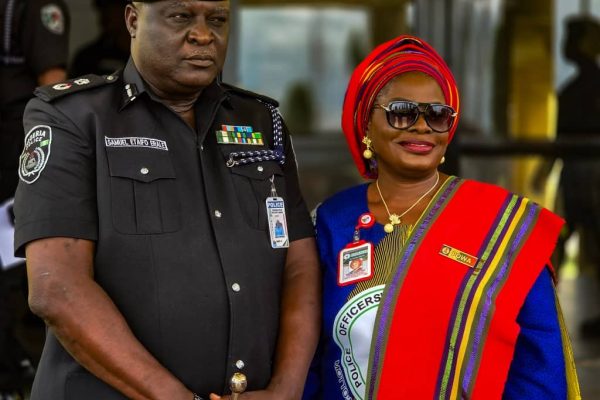
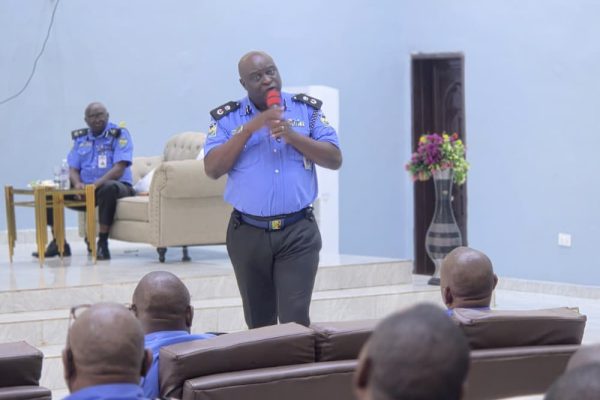
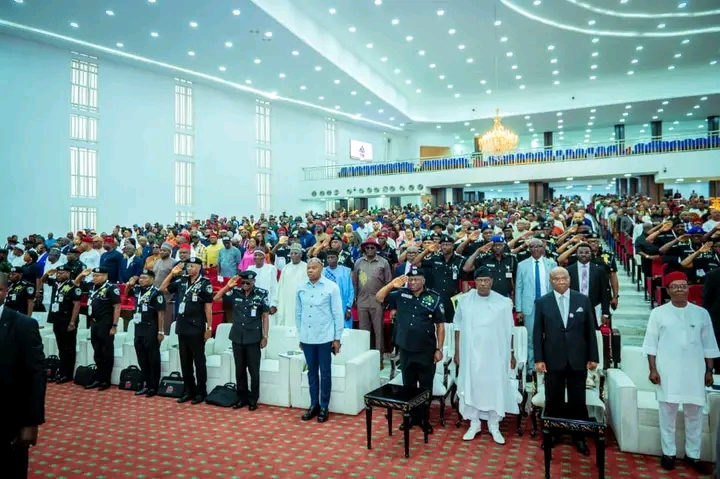
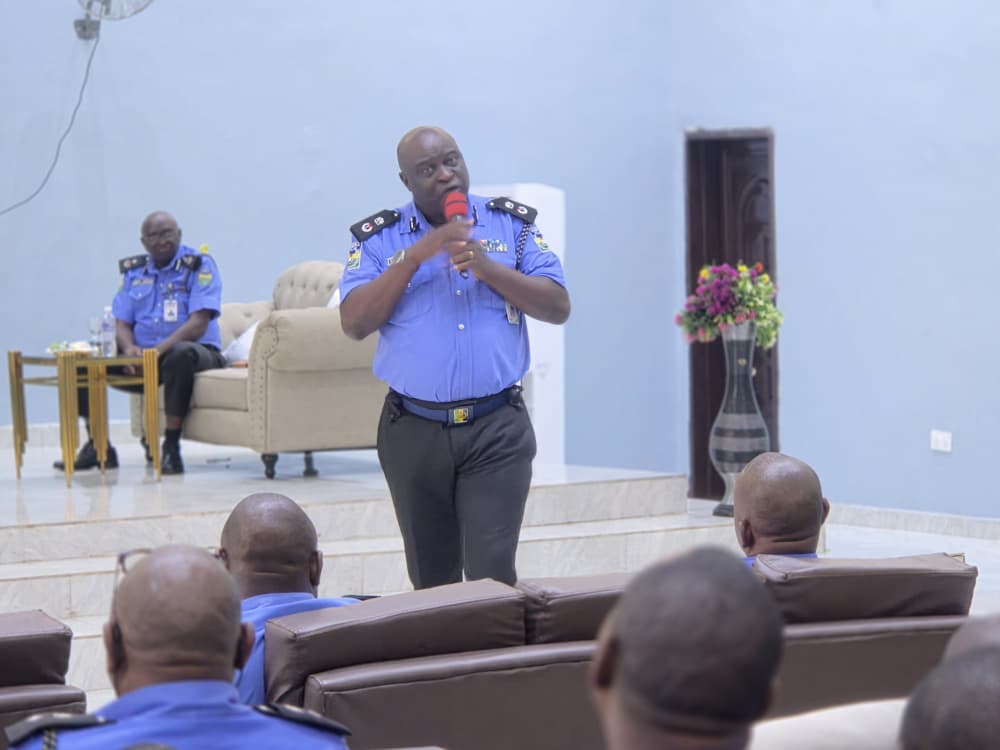
IGP Disu disclosed this at the opening of the 2026 Conference and Retreat for Senior Police Officers (CARSPO) in Owerri, Imo State, where he presented a breakdown of the police’s operational scorecard for the past eight months.
Disu, however, acknowledged that the figures offered little comfort to Nigerians still living under the threat of kidnapping, banditry, terrorism and communal violence.
“Numbers do not console a grieving family. We will not slow down on these threats because an election is coming. We will fight them and secure the elections at the same time,” he said.
The IGP paid tribute to officers who died in the line of duty and pledged improved welfare for their families and serving personnel.
Also, retired Inspectors General of Police (IGPs) Mike Okiro and Usman Baba, and the Police Service Commission (PSC), tasked the force with developing a roadmap to address everything from criminal sponsorship of banditry to artificial intelligence-generated disinformation ahead of the 2027 general elections.
Delivering a goodwill message, Okiro said the country’s security architecture was under severe strain from terrorism in the North-East, banditry in the North-West and North-Central, separatist agitation in parts of the South-East and South-West, and rising kidnapping, armed robbery, cybercrime and cultism.
He said unresolved allegations linking political, military, traditional and business interests to the funding of banditry and kidnapping had eroded public trust and complicated intelligence gathering, and urged the retreat to confront the issue candidly.
Okiro proposed that any roadmap rest on three pillars: inter-agency synergy under a unified police-led command structure involving the Army, the Department of State Services and the Nigeria Security and Civil Defence Corps; police neutrality, warning that officers must resist political inducement; and welfare and accountability for deployed personnel.
He called for closer international intelligence-sharing with INTERPOL and foreign counterparts against cross-border arms flow and offshore disinformation campaigns, and warned officers to prepare for fake news, AI-generated deepfakes, drone use by non-state actors, attacks on INEC facilities and attempts to kidnap candidates.
He urged clear procedures for arrest, evidence preservation and prompt prosecution of electoral offenders.
Also speaking, Alkali Baba drew on his experience overseeing the 2023 general elections, which involved more than 176,000 polling units and 93 million registered voters, and described it as one of the most complex security operations in recent history.
He attributed that outcome to planning, partnership through the Inter-Agency Consultative Committee on Election Security and professionalism.
He said the approach reduced ballot box snatching and disruption compared with earlier elections, though attacks on INEC facilities, isolated violence and misinformation persisted.
Baba called for a standing roadmap that institutionalises lessons from the 2019 and 2023 general elections and off-cycle polls in Kogi, Imo, Edo, Ondo and Osun states, and that embraces intelligence-led, data-driven deployment.
He identified vote buying, drone use and AI-generated fake news as emerging threats, and named disinformation on WhatsApp, hacking of INEC and party databases, and election-themed financial scams as the main cybercrime risks.
He said the police would work with INEC, telecommunications operators and social media platforms including Facebook, WhatsApp and TikTok to take down false content, and called for the protection of women, persons with disabilities, youths and ad-hoc INEC staff.
Representing the Chairman of the Police Service Commission, Commissioner (PSC), Hashim Agungun (rtd), DIG Taiwo Lakanu, commended Inspector-General of Police Olatunji Disu for reforms including intelligence-led and technology-driven policing, strengthened internal accountability, community engagement and the establishment of a Violent Crime Response Unit.
He said the force had prioritised officer welfare through housing, healthcare and prompt payment of insurance benefits, in collaboration with the Nigeria Police Trust Fund, and had intensified training on the Electoral Act and rules of engagement for officers on election duty.
Lakanu cited the recent Osun State governorship election as an example of the force’s strengthened planning, involving the strategic deployment of senior officers to protect voters, INEC personnel and electoral materials.
He said the commission, which is constitutionally responsible for the recruitment, promotion and discipline of police personnel other than the Inspector-General, remained committed to supporting the force’s professionalism and public accountability.
Speakers urged that the retreat’s outcome translate into a practical, costed and time-bound roadmap owned by police commands, rather than end as a “talk shop,” ahead of the 2027 polls.